Full Roof Inspection
Moisture meter and infrared thermal camera survey, flashing and drain check, and a written photo report with square-foot counts. You know the condition of your roof before you spend a dollar.
EPDM Roofing Systems in Oklahoma give your building a single-ply rubber membrane that shrugs off hail, UV, and thermal shock. We install, repair, and maintain 45-mil to 90-mil EPDM across the state, from downtown Guthrie storefronts to Hooker grain facilities. If your current roof is leaking, ponding, or losing seams, we inspect it, price it, and get it watertight.
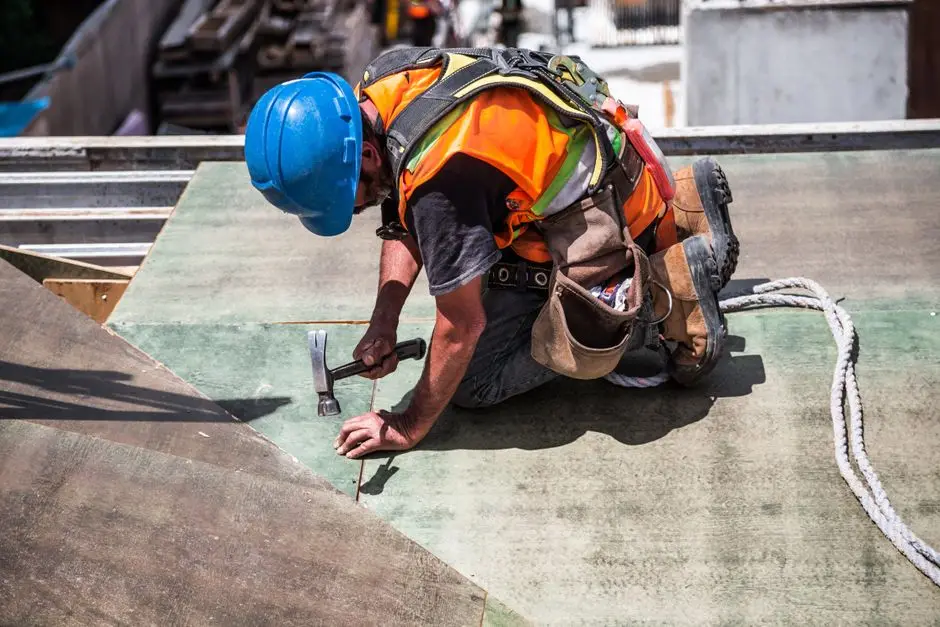
EPDM Roofing Systems in Oklahoma are single-ply rubber membrane roofs made from ethylene propylene diene monomer, installed in 45-mil to 90-mil sheets and fastened mechanically, adhered, or ballasted over roof insulation board. Seams are spliced with splice adhesive or a hot air welder, then rolled with a seam roller. The result is a flexible, hail-resistant surface that handles Oklahoma's 100-degree summers and single-digit winters without the cracking you see on modified bitumen.
Oklahoma buildings take a beating. Spring hail, 70-mph straight-line winds, and freeze-thaw cycles push every roof to its limit. That is why so many property owners call an Oklahoma EPDM roofing contractor instead of patching again. A properly installed EPDM roof installation Oklahoma property managers can budget around lasts 22 to 30 years, and it is one of the most cost-effective options when you compare EPDM vs TPO roofing Oklahoma quotes side by side.
Every EPDM job we run includes the core scope below. Add-ons like tapered insulation, new drains, or skylight replacement get priced separately so you see exactly what you are paying for.
Moisture meter and infrared thermal camera survey, flashing and drain check, and a written photo report with square-foot counts. You know the condition of your roof before you spend a dollar.
45-mil, 60-mil, or 90-mil EPDM membrane over polyiso or EPS roof insulation board. We spec R-value to your building code and climate zone, and we use Carlisle SynTec, Firestone Building Products, or Versico membrane.
Splice adhesive or hot air welded seams, rolled with a seam roller and probe-tested. New flashing at walls, curbs, pipes, and edges, plus drain inserts and counterflashing where needed.
Mechanically fastened, fully adhered, or ballasted attachment. We match fasteners and adhesives to your deck type and wind uplift zone so the membrane stays put in a 90-mph gust.
Manufacturer warranty registration, signed documents, and a written maintenance schedule. We recommend inspections every 3 to 5 years and offer a twice-a-year maintenance program to keep the warranty valid.
We walk the roof with a moisture meter and infrared thermal camera to map wet insulation, then check flashing, drains, and existing seams. You get a written report with photos and a square-foot count within 48 hours. No charge for the inspection on commercial buildings over 5,000 square feet.
We price three options: full tear-off and replacement, recover over the existing membrane, or targeted repair. Each line item shows membrane thickness, insulation R-value, fasteners, and flashing details. You see the number before we order material.
Crews strip the old roof to the deck, replace any rotted sheathing, and power broom the surface clean. We inspect for ponding water and adjust tapered insulation or add crickets around drains so water moves. This stage takes 1 to 3 days on a typical 20,000-square-foot roof.
We lay 45-mil or 60-mil EPDM membrane, mechanically fasten or adhere it, and splice seams with splice adhesive and a seam roller. A hot air welder handles any T-joints and detail work. Every seam gets a probe test before we move on.
We install new flashing at walls, curbs, pipes, and edges, then flood-test the drains. You walk the finished roof with our foreman, and we hand over the manufacturer warranty paperwork plus a maintenance schedule. Final cleanup same day.
We walk the roof with a moisture meter and infrared thermal camera to map wet insulation, then check flashing, drains, and existing seams. You get a written report with photos and a square-foot count within 48 hours. No charge for the inspection on commercial buildings over 5,000 square feet.
Finds wet insulation under the membrane by reading temperature differences. We use it on every inspection so you know exactly how much of the deck is wet before we price the job.
Confirms wet insulation readings from the thermal scan and checks membrane and flashing for hidden moisture. Every repair area gets a reading before and after.
Welds T-joints and detail work on EPDM and TPO membrane. We use it where splice adhesive is not the right call, like inside corners and around curbs.
Rolls every spliced seam to push out air and ensure full adhesive contact. A properly rolled seam is the difference between a 25-year roof and a callback.
Drives fasteners through insulation board and membrane into the deck at the correct depth and spacing. We match fastener pattern to your wind uplift zone.
Cleans the deck and membrane surface before adhesive or splice work. Dust and debris are the number one cause of seam failure, so we do not skip this step.
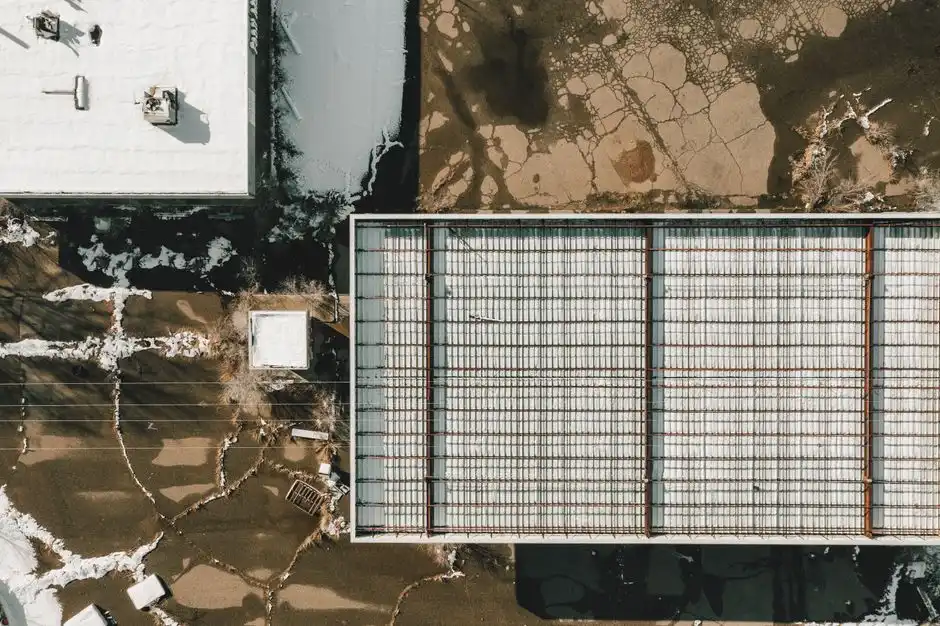
A 25,000-square-foot warehouse with a 20-year-old modified bitumen roof, three active leaks, and wet insulation across 30 percent of the deck. Ceiling stains in three rooms and a tenant threatening to move out.
After: Full tear-off, new sheathing, 60-mil EPDM over 2-inch polyiso, and new flashing at every curb and pipe. Job finished in nine working days. No leaks through two hail seasons and a 12 percent drop in energy cost.
Book this service →
A 12,000-square-foot retail strip center with a sound EPDM membrane but failing seams at 40 splice points. Two suites had ceiling leaks and the owner was quoted a full replacement by another contractor.
After: We cleaned and re-spliced all 40 seams, replaced flashing at four curbs, and added crickets at two low spots. Four-day job, roughly $40,000 less than replacement. The membrane has another 8 to 10 years of life.
Book this service →
A 2-inch hail storm punctured a TPO roof in 14 places. Water was entering the building and the owner needed documentation for an insurance claim before the next rain.
After: We documented every impact, worked with the adjuster, and replaced damaged sections with 60-mil EPDM. Added perimeter fastening rated for the local wind zone. Watertight within 48 hours of the call.
Book this service →Most EPDM roofs fail at the same weak points. Here are the problems we fix every week on Oklahoma commercial buildings, and what happens if you let them ride.
Ask a pro →We clean the seam, apply fresh splice adhesive or a hot air welded patch, and roll it with a seam roller. Every repair gets a probe test. If more than 20 percent of seams are failing, we price a recover or replacement instead of chasing patches.
We survey the roof with a moisture meter, add tapered insulation or crickets to redirect flow, and clear or replace drains. On recover jobs we build slope into the new assembly so water moves off the roof.
We photograph every impact point, measure hail size against a reference, and document damage for your insurance claim. Punctures get patched with uncured EPDM and splice adhesive, then probe-tested.
We replace failed flashing with new membrane or metal, reseal pipe boots with uncured EPDM, and re-counterflash walls. Every detail gets a water test before we close it out.
“Our 30,000-square-foot warehouse had three active leaks and wet insulation across half the deck. De La Cruz tore off the old modified bitumen, replaced the sheathing, and installed 60-mil EPDM over new polyiso. They finished in nine working days and the roof has not leaked once through two hail seasons. The warranty paperwork was in my hand the day they walked off the job.”
Marcus T.Warehouse Owner, Guthrie
✓ Verified“We manage six retail buildings and had been patching the same EPDM roof for years. Their crew did a moisture survey, showed me exactly which sections were wet, and recovered the dry areas with new membrane instead of pushing a full tear-off. Saved us about $40,000 and the ponding water at the north drain is gone.”
Sandra K.Property Manager, Duncan
✓ Verified“After a 2-inch hail storm, our TPO roof was punctured in 14 places. De La Cruz documented every impact, worked with our adjuster, and replaced the damaged sections with 60-mil EPDM. They were on site within 24 hours of my call and had us watertight before the next rain. Straight shooters.”
Dale R.Plant Manager, Hooker
✓ VerifiedMost commercial EPDM jobs in Oklahoma run $4.50 to $8.50 per square foot installed in 2026, so a 20,000-square-foot roof lands between $90,000 and $170,000. Thicker 60-mil or 90-mil membrane, added insulation, and full tear-off push the number up. A recover over a sound existing roof can cut 20 to 30 percent off the total.
A 60-mil EPDM membrane installed over quality insulation typically lasts 22 to 30 years in Oklahoma. Hail, wind, and ponding water shorten that if seams and flashing are ignored. Buildings that get a professional inspection every 3 to 5 years and prompt seam repair routinely hit the top of that range.
Yes. EPDM is one of the most hail-resistant single-ply membranes because it flexes on impact instead of cracking. In a 2-inch hail event, a 60-mil EPDM roof usually shows cosmetic scuffs while TPO and PVC puncture. We document every impact point for your insurance claim if damage does occur.
We install EPDM across the state, including Duncan, Alva, Binger, Calera, Chandler, Coyle, Earlsboro, Fort Cobb, Guthrie, and Hooker. Call 18555166090 and we schedule an inspection, usually within 48 hours for commercial buildings. Emergency leak response is available 24/7.
We install, repair, and maintain EPDM roofing systems across Oklahoma, from the Red River border to the Panhandle. Crews stage out of multiple yards so inspections happen within days and storm response stays fast. If your building is in any of the cities below, call 18555166090 and we will get eyes on your roof.
EPDM installation and seam repair for Duncan retail centers, warehouses, and industrial buildings. We phase work by suite so tenants stay open during the job.
↗ 02 AlvaNorthwest Oklahoma hail and wind exposure means Alva commercial roofs need 60-mil EPDM and reinforced perimeter fastening. We inspect and price within 48 hours.
↗ 03 BingerBinger agricultural and commercial buildings get EPDM recover and repair service, plus post-storm documentation for insurance claims after hail events.
↗ 04 CaleraCalera low-slope roofs get full EPDM installation, flashing replacement, and drainage correction to stop ponding water before it voids the warranty.
↗ 05 ChandlerChandler strip centers and churches get EPDM recover and replacement with phased scheduling so Sunday services and tenant hours are not disrupted.
↗ 06 CoyleCoyle commercial and rural buildings get EPDM repair, seam re-splicing, and moisture surveys to find wet insulation before it spreads across the deck.
↗ 07 EarlsboroEarlsboro metal buildings and shops get mechanically fastened EPDM rated for local wind zones, with new flashing at every curb and penetration.
↗ 08 Fort CobbFort Cobb commercial roofs get EPDM installation and maintenance plans, including twice-a-year drain clearing and seam inspection to protect the warranty.
↗ 09 GuthrieGuthrie historic downtown buildings and warehouses get EPDM systems detailed around parapet walls and masonry, with flashing matched to existing construction.
↗ 10 HookerHooker grain and ag facilities get 90-mil EPDM at edges, perimeter fastening for high wind, and fast post-hail documentation for insurance claims.
↗Call 18555166090 and we will schedule a no-charge commercial roof inspection, usually within 48 hours. You get a written scope, a real price, and a crew that shows up when we say we will. Emergency leak? We run 24/7 storm response across Oklahoma.
Schedule Inspection 18555166090 →Call us at 1-855-516-6090 or send a message and we will get back to you within one business day. Our office is open Monday through Friday, 8 a.m. to 6 p.m., and our emergency line is answered 24/7 for storm damage and active leaks. We serve commercial buildings across the entire state of Oklahoma.